
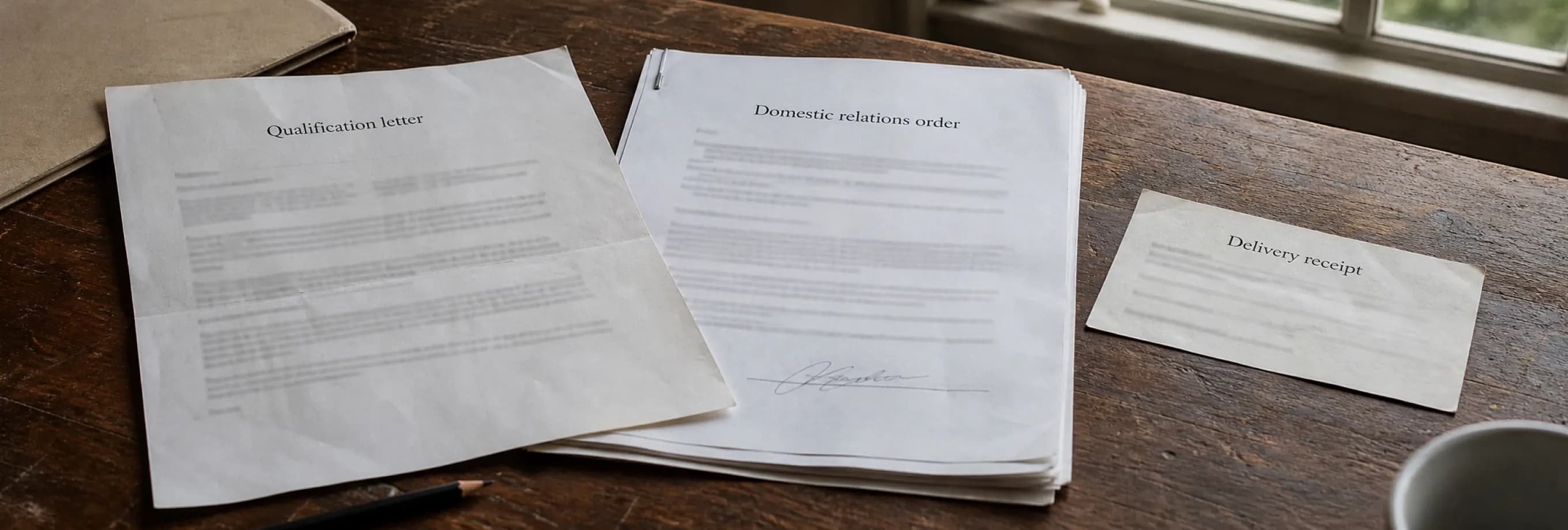
Your judgment says you receive half of the community interest in a pension. Months later, the plan administrator says it has no order it can administer. Both statements can be true. California may recognize the property division while the retirement plan still lacks the names, dates, formula, payment form, or survivor terms required to act on it.
That gap is the retirement issue to close before a gray divorce file goes quiet. For a private employer plan, the operative document may be a qualified domestic relations order, or QDRO. An IRA uses a different transfer process. CalPERS and other public systems apply their own rules.
This page provides general legal information. It does not calculate a community share, compare settlement offers, or give tax advice for a particular retirement account.
A property award and an administered benefit are different things
Family Code section 2610 directs California courts to make whatever orders are necessary so that each party receives, in the statute's own words, their "full community property share" in any retirement plan, public or private, including survivor and death benefits. Read that phrase carefully: full means the whole of the community share, not the whole account. Benefits earned before marriage or after separation are not in it. A judgment can establish who owns what. Payment still has to fit the plan's governing rules.
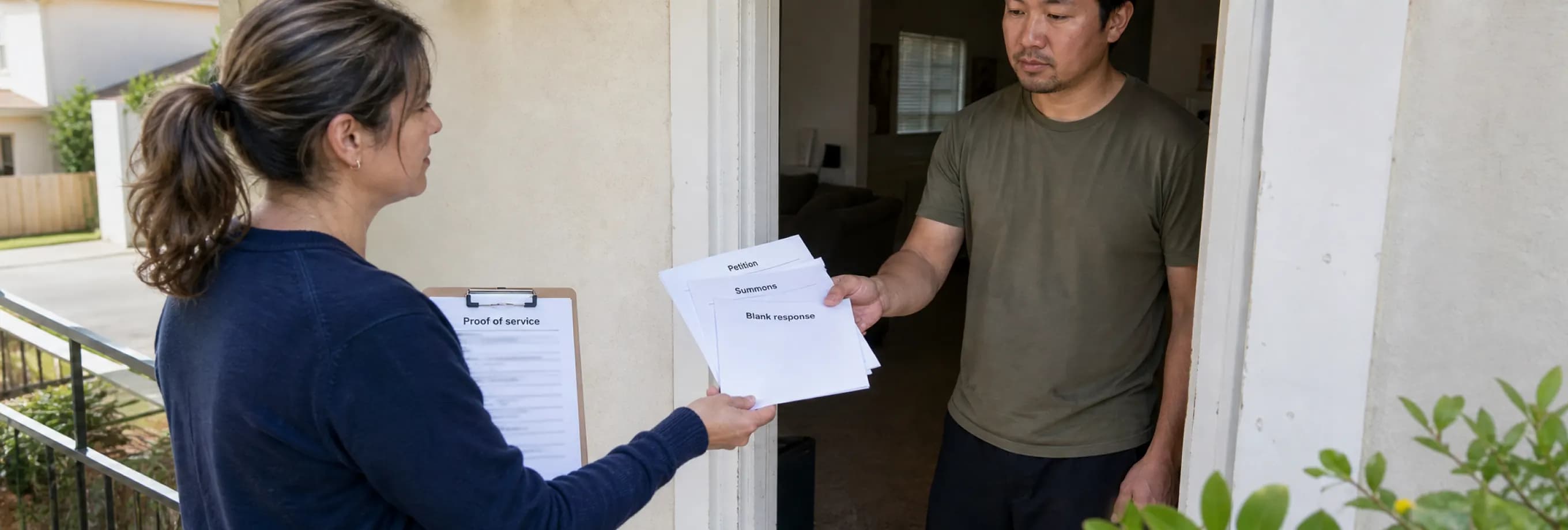
For an ERISA-covered employer plan, federal law requires the plan administrator to decide whether a domestic relations order is qualified. The U.S. Department of Labor's QDRO guide makes two points that are easy to miss. A QDRO may sit inside the divorce decree or in a separate order, and the plan administrator makes the initial qualification decision. Many California cases do use a separate plan-specific order alongside the judgment, but federal law does not require two documents.
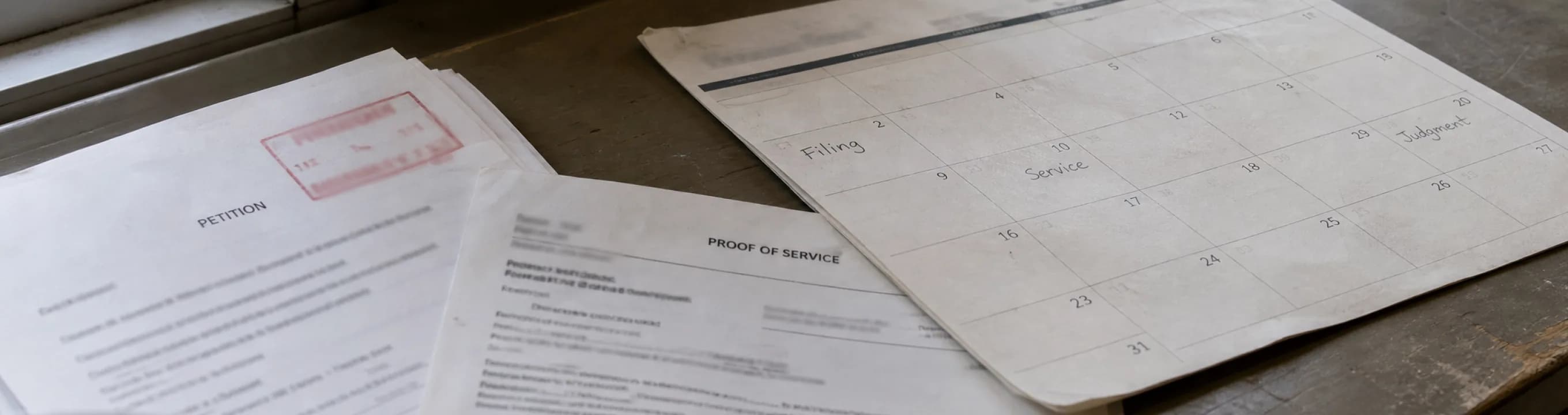
The finished event is therefore more specific than “the judge signed.” The plan has received the order and reviewed it under its written procedures. The administrator's written decision tells the parties whether the order works. If the administrator rejects it, the rejection letter usually identifies language that must be corrected.
First identify the account, because the document changes
Calling every retirement asset a pension obscures the next step. Before drafting settlement language, get the plan's exact legal name and determine what kind of account it is.
Private employer plans. A 401(k), 403(b), profit-sharing plan, or defined-benefit pension may require QDRO terms addressing the assigned share and when it can be paid. A pension order may also need to state what happens if the participant retires early or dies first. The plan's procedures and sample language are a starting point; the administrator may not insist on its own form if an order otherwise satisfies federal requirements.
IRAs. An IRA is not divided through the ERISA qualification process. Under IRS Publication 504, an interest transferred to a spouse or former spouse under a divorce decree, or a written instrument incident to it, is not treated as a taxable transfer when carried out correctly. "Incident to" has a defined shape: Publication 504 treats a transfer that way if it happens within one year after the marriage ends, or if it is made under the divorce instrument and within six years. The two mechanics for doing it — redesignating the same account in the other spouse's name, or a direct trustee-to-trustee transfer — are set out in Publication 590-A rather than in 504. Withdrawing the money personally and writing a check is not the same procedure.
Government plans. CalPERS, CalSTRS, county retirement systems, and federal employee plans use plan-specific statutes and orders rather than ERISA's QDRO framework. CalPERS publishes its own community-property guide and model domestic relations orders. Language prepared for a private 401(k) should not be assumed to work for a public pension — a QDRO drafted off a 401(k) template is a common way to get an order rejected.
The community share depends on when the benefit was earned
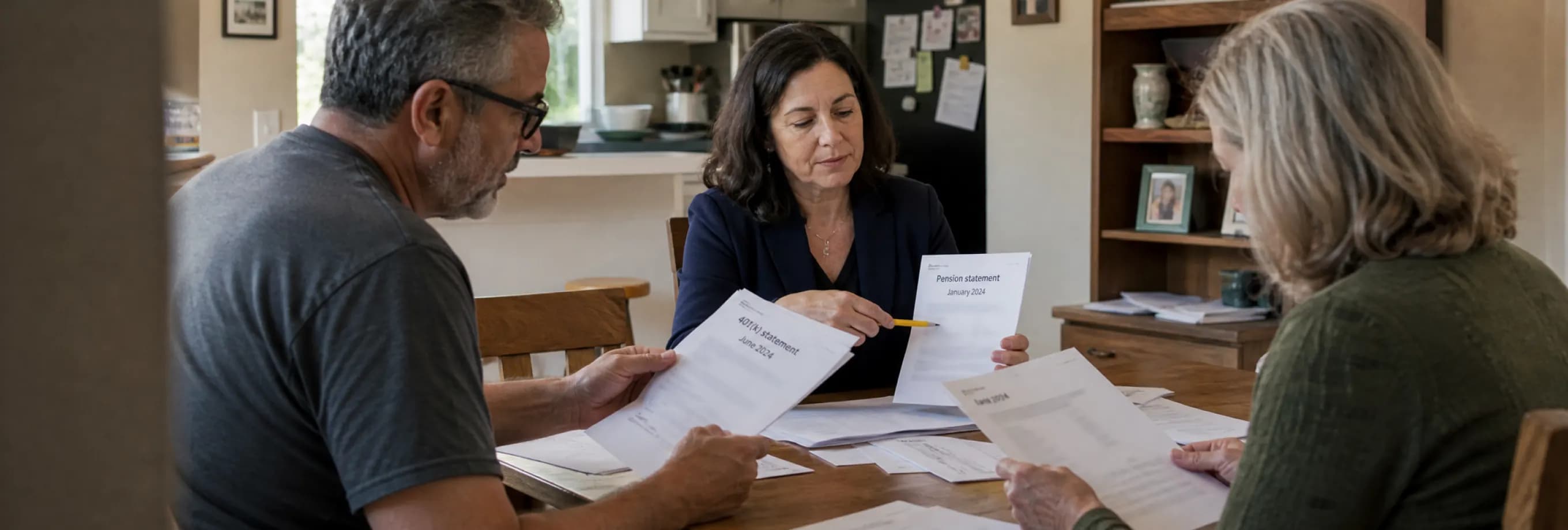
California generally divides the community estate equally under Family Code section 2550. For a retirement benefit, the analysis usually follows the work that produced it. Service and contributions during the marriage and before separation generally create a community interest; the portions earned before marriage or after separation are generally separate.
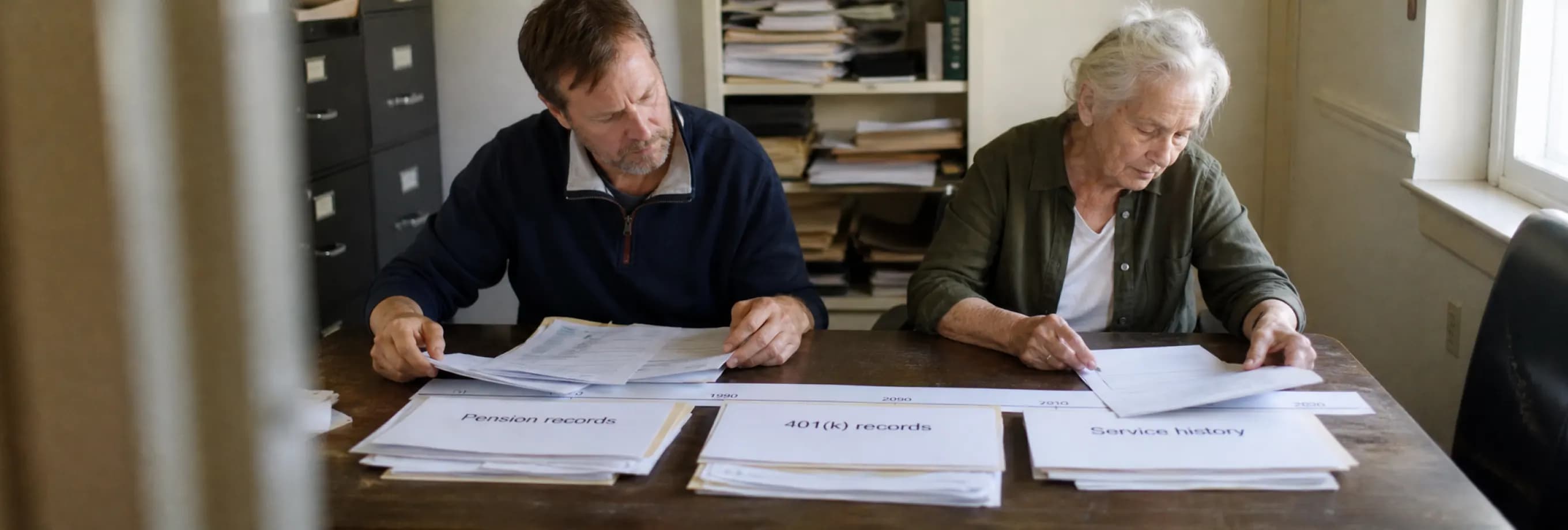
A defined-benefit pension earned across both periods is often apportioned with a time rule. The community fraction compares service during the community period with total service, then applies that fraction to the benefit under the governing formula. “Often” matters here. The benefit type and plan terms can change the calculation, and some plans apportion on a different basis or apply separate rules to early-retirement or disability benefits. California law controls the apportionment, and a service purchase may add its own tracing problem.
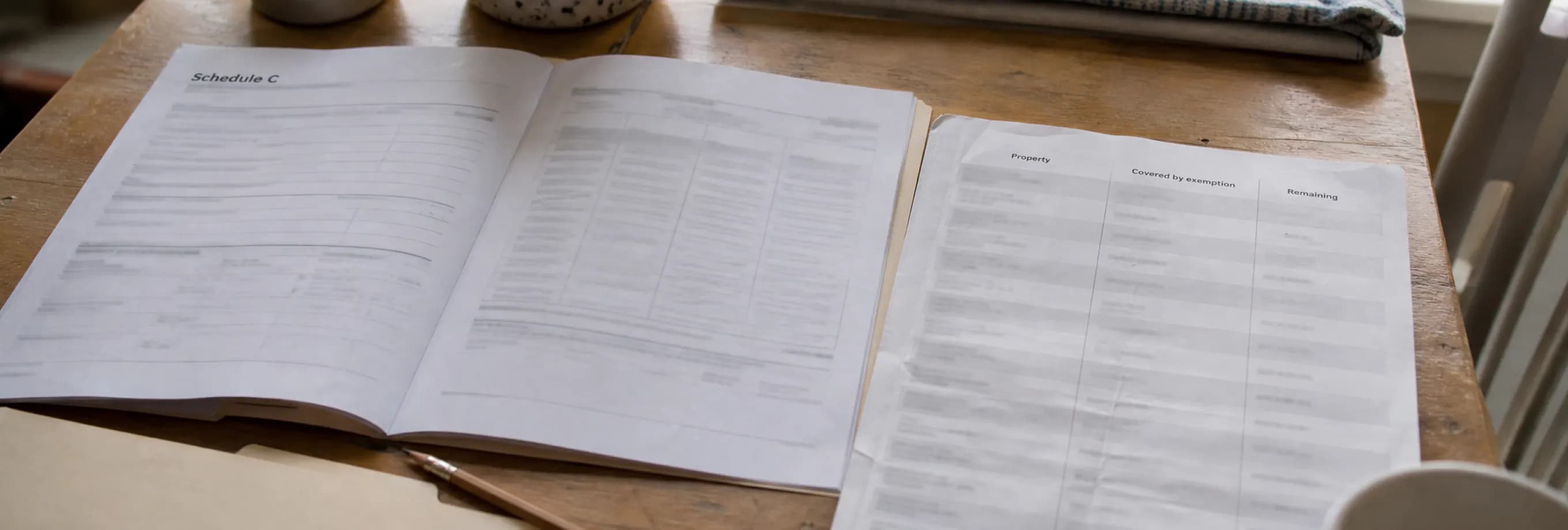
Defined-contribution accounts pose a different records problem. Statements near the marriage and separation dates may show the separate starting balance and later contributions, while investment gains and losses have to be allocated. A current balance alone cannot reconstruct that history.
Survivor benefits can disappear before the monthly payment starts
A division formula answers who receives part of a retirement payment while both former spouses are alive. It may say nothing about what happens when one dies.
Family Code section 2610 expressly permits orders dealing with survivor and death benefits and, where the plan offers the option, an order requiring a survivor-benefit election. The available choice depends on the plan and on timing. A pension may require an election before retirement, may reduce the monthly benefit to fund the survivor option, or may restrict changes after payments begin.
Here is the part worth knowing in advance: an order issued late does not fail as a QDRO solely because it came after divorce, retirement, or death. Federal regulations reject that automatic timing bar.
That does not mean every lost benefit can be restored, and this is where gray divorce differs from an earlier one. A plan cannot provide a form or amount of benefit it does not offer. Where the participant has already retired and irrevocably elected a payment form with no survivor option, the remedy may be narrow or gone. The timing bar is not automatic; the consequences of waiting still are.
Social Security uses the date the divorce becomes final
Social Security is governed by federal eligibility rules and is not divided by the California property judgment — one more line that the divorce process itself does not reach. A divorced spouse may qualify for a benefit on a former spouse's earnings record when the marriage lasted at least ten years immediately before the divorce became final, the applicant is unmarried and at least 62, and the remaining benefit conditions are met. If the former spouse is eligible but has not filed, an additional two-years-divorced rule applies.
The filing date does not establish the ten-year duration. The final divorce date does. A claim by an eligible divorced spouse also does not reduce the worker's benefit or the benefits payable to other family members.
Social Security should therefore appear on the information list, even though it never appears in the California property division. It is a separate federal entitlement with its own application.
“A court shall not make an order that requires a retirement plan to … make the payment of benefits to a party at any time before the member retires … unless the plan so provides.”
— Family Code section 2610(b)(2)
Close the file only after the plan answers
The plan administrator's message from the opening makes the next move documentary. For every retirement asset, collect:
- the current statement and the plan's exact legal name;
- statements near the date of marriage and the date of separation, where available;
- the summary plan description and domestic-relations-order procedures;
- any proposed or entered order affecting the benefit;
- the administrator's written qualification or rejection notice;
- the beneficiary designation and available survivor election.
California family law self-help resources can explain court procedure, but they do not draft plan-specific orders. Ask whether this work can be quoted as a flat-fee assignment with a defined finish line: calculate or confirm the community fraction, prepare the retirement order, submit it, and handle revisions through the plan's qualification decision. Before agreeing on the fee, ask whether plan preapproval and resubmissions are included.
AttorneyIndex lists licensed California family law attorneys by county and shows State Bar information and certified-specialist status where available. It is a directory, not a referral service, and contact is direct.
Keep the administrator's qualification letter with the judgment. The judgment proves the property award; the letter proves the plan has an order it can administer.
A pension order outlives the divorce that produced it. 635 of the 3,726 family-law attorneys listed in this directory are certified by the State Bar's Board of Legal Specialization in Family Law.
Common questions
- Is a pension community property in California?
- The portion earned from work performed during the marriage and before separation is generally community property. Benefits earned before marriage or after separation are generally separate. The division method depends on the plan and the employment history.
- Does a California divorce judgment make a retirement plan pay an ex-spouse?
- Only if the judgment itself meets the plan's requirements or the parties obtain another plan-specific domestic relations order. For an ERISA-covered plan, the administrator must determine that the order is a QDRO before the plan pays the alternate payee.
- Must a QDRO be a separate court order?
- Federal law does not require a separate order. QDRO language may be part of a divorce decree or court-approved settlement. In practice, many California cases use a separate plan-specific order because the plan must review detailed payment and survivor-benefit terms.
- Does an IRA require a QDRO?
- An IRA uses a different process. A transfer under a divorce decree or a written instrument incident to the decree can be tax-free if the custodian transfers or redesignates the IRA interest correctly. Taking a distribution and handing over cash is a different transaction and may create tax and penalty problems.
- Are CalPERS and other government pensions handled like private employer plans?
- No. Government plans are generally outside ERISA's QDRO rules and use plan-specific statutes and domestic-relations-order procedures. CalPERS, CalSTRS, county systems, and federal plans should be checked separately.
- Can a divorced spouse receive Social Security on an ex-spouse's record?
- Possibly. The federal rule generally requires a marriage lasting at least ten years immediately before the divorce became final, an applicant age 62 or older who is unmarried, and other benefit conditions. The date the divorce becomes final, rather than the filing date, controls the ten-year duration rule.
Sources
Checked on August 16, 2026. Where this page and a court’s own published material disagree, the court is authoritative.
- Family Code section 2610 — division of retirement plan benefits (opens in a new tab)
- Family Code section 2550 — equal division of the community estate (opens in a new tab)
- U.S. Department of Labor — QDROs overview and plan administration (opens in a new tab)
- IRS Publication 504 — retirement transfers after divorce (opens in a new tab)
- Social Security regulation 20 C.F.R. § 404.331 — divorced-spouse benefits (opens in a new tab)
- CalPERS — divorce and your pension (opens in a new tab)